Listen instead
Key takeaways
- Before automating anything, Sandra Vergara asks her team what problem they are trying to solve. If nobody understands what is going on yet, as with a brand-new product, there is not enough context to automate it.
- An automation built to help with code reviews failed because the context fed to it was only the happy path. Everything that could go wrong went wrong, so her team now runs work through risk-assessment skills before automating.
- Context comes from experience, data and people together. Glean pulls information in seconds, but it can surface outdated context, so judgment, politics and accountability stay with the person.
- Sandra sees AI as a way to amplify operators, not replace them. Even when tools and automations do the work, the operator is still accountable for the result.
- Experience is what lets someone give AI the right context. People who skip that experience have nothing to amplify, which makes mentorship of junior colleagues part of the operator's job, especially in remote teams.
- Her recommendation for this week is an ops companion: an agent that tracks where you keep getting pinged, which processes create incidents or billing support tickets, and where documentation needs fixing.
- For changes that create friction, she starts by defining what success looks like, shows the value, and follows up afterward, including saying so when a change did not work.
What is the problem you're trying to solve? Don't think let's automate.
The context we fed that automation was a happy path.
I'm saying amplifying, but if you never get there, what are you going to amplify?
Even though we're setting up tools or automations, we're still accountable.
Chapters
- 00:00Meet the Guest: From Apparel Procurement to Product Operations
- 02:08Her Career Story: Procurement, Data and an Operations Mindset
- 07:41What Is a Forward Deployed Operator? Why Operations Needs a Name
- 10:11How Do You Tell Your Team Not to Automate?
- 12:24What Can Go Wrong: Risk Assessment Before You Automate
- 14:17Process Before Tools and Process Archaeology
- 15:09Using Glean for Context, and When It Gets It Wrong
- 17:38Where AI Ends and the Human Begins
- 20:00What Do You Do With the Time AI Gives Back?
- 22:51What AI Tools Would Change About Her First Role
- 24:42From Three-Day Kaizen Events to an AI-Built Process Map
- 26:36Why Experience Still Matters in the Age of AI
- 27:48How Do We Teach the Next Generation to Use AI?
- 30:58Remote Work, Isolation and Junior Colleagues
- 33:28AI Anxiety, Purpose and Staying Positive
- 36:10The Operational Decision She Almost Didn't Make
- 39:17What an Operator Should Do This Week: Build an Ops Companion
- 43:33What She Built Outside of Work, and Turned Off
- 45:46Her Question for the Next Guest
Transcript
Lightly edited for clarity from the episode captions. Sponsor reads omitted. Speakers: Ysi Gonzalez (Vantelira) and Sandra Vergara (Zapier).
This episode is powered by Vantelira. We go inside a scaling operation, fix the process, and build the system that keeps it running.
Who is Sandra Vergara, and how does she run product operations at Zapier?
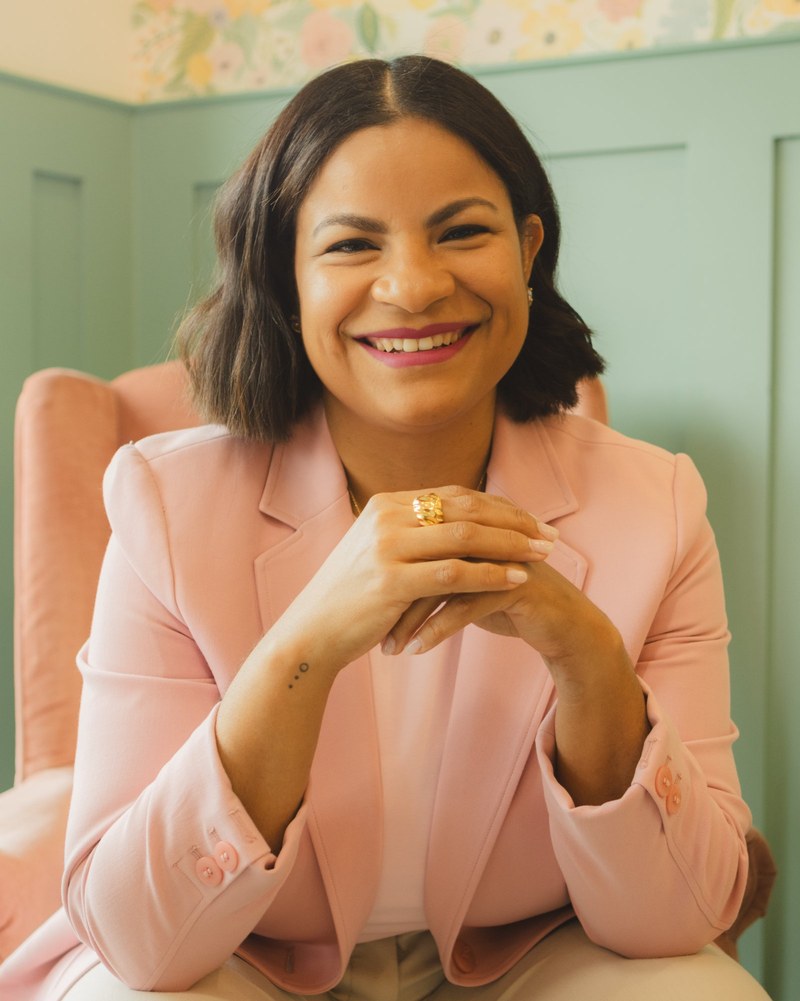
Ysi: My guest today started her career in Medellín, buying the components that went into jeans for some of the biggest apparel brands in the world. From there she moved to Montreal and worked her way through purchasing for data centre operations at a fast-growing delivery startup, and inventory and business intelligence at a fibre network company. Everywhere she landed she found money in the process. At one stop she even cut the inventory by a third. At another one she identified over $600,000 a year in savings. Today she's senior product operations manager for Zapier's revenue platform, the billing and provisioning layer behind every subscription.
And that makes her job a very interesting one. Zapier, your sales automation. She is the person in the room who stops and asks what is the actual problem that we're solving, what it costs, and whether it should really exist at all. Let's welcome Sandra to The Forward Deployed Operator. Welcome to the show, Sandra. I have the pleasure to talk to you today.
I think we know each other from many, many years now. It's been 13 years that I'm here in Montreal, and I met you in my first year actually.
Sandra: Exactly. And it was back when we used to be living the life.
Ysi: Yeah, exactly. Yeah, super young, and our lives here were starting.
Sandra: Yes, exactly.
Ysi: So, thank you so much for joining me today.
How did a career in procurement and data lead to an operations mindset?
Sandra: Yeah, I'm excited to be here with you.
Ysi: Very, very nice. I have a couple of questions to ask you, but before we get into the questions, would you like to share with the audience what is Sandra? How did you build your career in managing? How did it all start, and then to what you're doing today? Because it's a little bit of a shift. Yes, tell us your story.
Sandra: So my story, well, it started a long time ago. I studied international business, and then I had the chance to work at a manufacturer for my internship, and my life started there. So I was in procurement, I was a buyer, and I don't know, like with experience, everything that I learned in the university, all that context I could apply there, for inventory management, all those pieces. But it always came for me with data. I was like, I need to know more, and how can I make this better, you know. And I was super junior, and there was always delays, and this is a big factory.
And if you're delayed, you can get 18 to 20 people that wouldn't work that day if something is missing in production. So, like, how can this, it was like, this can be better, and so how can I make this happen? I need information and I need data, but I also need to walk the room and go to the factory and talk to everyone and say, hey, what is going on? How can we make this better? So it was yes, numbers, but I was also talking to people. So that was something that started.
And even being the junior and the intern that I wasn't paid for, everything, like, I never had a delay in production. Everyone was working, and even if something was happening I was able to understand before and say, like, hey, let's not put that into production because it's going to be delayed. That's kind of my initial story. After that they hired me, because it was working, and I started just being a buyer there. And then I decided to move to Canada, and so start from scratch making my first experience. So I was a purchasing clerk, and again I came here and I'm like, we can do this better, you know.
Like, it was working, but I'm like, there's something that we can do better. And again, like, what is my data? Do I need more data? Start talking to people, and change. You know, like, this is what it is. It's going to work.
I'm like, maybe, but what if there's something? So it's always that mindset, that whether it's out of curiosity, or if something happened, or I have a delay, I'm like, is this something we can do to optimize? So this is kind of my mindset, how it works and how I apply it all the time, where I'm like, we can make more money or our customers can be happier. And then so I got promoted nine months later to be a buyer, and I started reducing inventory. And it was so hard managing the change, because that is also a challenge. People are like, but it was working before.
But yeah, but there are plenty of obsoletes, and that's money, and we would never sell that. I was working at a technology company, and you know, technology changed. So I started understanding what the technology cycles are. I started talking to my inventory manager, like the one that was at the warehouse, and this and that, and then even the data team. And I started doing queries, because I wanted to know more. And then I'm always led by, like, what are the results?
Can I reduce costs? Can I reduce inventory? How can we make this better? And I love the money, because it's how you can show up the results, whether it's money or your customer is happy, and it's always a combination. So that's kind of my story. And so I started moving among different industries, but what I love from operations is that those skills you can transfer to any industry.
And so I worked in real estate, and again, what can I optimize? And so sometimes it comes from a problem that you know, or sometimes just out of curiosity. It's always iterate, it's always see how you can make this happen. And well, this is where I landed now. So it's pure operations. Sometimes when people ask what you do, you're like, I know things and I try to improve.
I figure things out.
Ysi: Yeah. And sometimes it's difficult to explain how someone that is an expert in operations, what would you do? We're normally behind the scenes. People normally won't see you, but you make, I sometimes describe it as, you keep the machine working, you keep the machine better, you improve some pieces, and that's what we do.
Sandra: And now I'm in pure technology subscription automation, but that mindset has always been applied. It doesn't change the way you think through the problem and all the pieces. So that's kind of me. I don't know.
What is a Forward Deployed Operator, and why does operations need a name?
Ysi: Thank you so much, Sandra. I could not have explained better the reason why you're my guest. I started the podcast because, first, I'm very curious to understand how operations work everywhere, and I also share the brain of things needing to be more efficient, less costly and just better. So I like to ask questions about operations, but I also find that there's many of us in the world that were doing this job behind the scenes, that we didn't have a name necessarily for, for merging operations and technology. And now we do. So this is the reason for the name of the podcast, The Forward Deployed Operator, because it's kind of a mix of the forward deployed engineer without being attached necessarily to one specific thing, right?
So you used to work in physical product and now you're in a software company, but you're still applying the same level of scrutiny and efficiency, looking at all of the processes. How do we make this more efficient? How do we make it faster? How do we leverage data to take decisions, and to put information and features out there that are really going to have an impact on both the company as revenue driving and the customers, as more customers just adopting the tools. So, thank you so much. And I don't know why we don't spend more time talking about these things, like just you and me.
Every time I talk to you, I'm like, I need to speak more with Sandra about this. It's just, I love that operations brain, I would say.
Sandra: Exactly. And not everyone will understand. And sometimes I have people that, you know, people that love me, and I can talk to them, and then when they ask what Sandra does: she has a computer and she does a lot of things. And they cannot explain anything else. It's so difficult. And I'm like, okay, I get it.
I feel it's great when you can really share the same feelings, the thinking model and everything. So yeah, let's talk.
How do you tell your team not to automate?
Ysi: Yes, let's talk more operations. Your team automates things for a living. How do you tell them we shouldn't automate that?
Sandra: Well, I would normally always take a step back and I'd say, do you have enough context? And I always, whether it's my team or a friend that is super stressed because of AI or automation, I'm like, what is the problem you're trying to solve? Don't think let's automate. No, like, what do you really need to solve? Start from there. And then, what is the context you have?
And then that's when we decide let's automate. Sometimes we don't have enough context. Let's say we have a new product and we want to monetize. How would you automate something you really don't know what's going on with? You need to build that context. So I would always take a step back and ask, whether it's my team or a person: what is the problem you want to solve?
That is the first step you need. And then let's talk through an automation, if it's required there, and what is the one thing that you need to solve.
Ysi: I think in our previous conversation you mentioned it as: we automate the problem.
Sandra: Yeah.
Ysi: Can you walk me through a time that actually happened, like the team just automated the problem?
Sandra: Yeah. So I think in today, where as I say everyone is stressed out whether it's AI or automation, so sometimes we jump in, like let's say, yeah we have this process, let's automate it. So you build the whole thing. You even prompt, like, automate this process, and yeah, I will make it happen. But you never take the step back again to ask that question: what is the problem I'm solving? Is this process functioning?
Is there any bottleneck? Do I have enough data? Do I have enough information before to automate?
What can go wrong when you automate without a risk assessment?
Sandra: And so there's also things like, what can go wrong if I'm automating everything? What are the risks if something goes wrong? So you can also feed that automation or that AI to say, these are the pieces that can go wrong. We had experience at Zapier where we were automating code reviews, and then the problem definition wasn't that clear, you know. Like we say, do the code, but we never fed it with the right context. The context we fed that automation was a happy path, and we never thought through, which is normally an operations brain, where you're going to see something can go wrong and then let's think through this.
We didn't do that. And then what happened? Failure. Everything that could go wrong went wrong. And so right now we took a step back and say, before making this happen, what is the information I have before automating? What can go wrong?
So we started just building skills for risk assessment. Whatever you're doing goes through that risk assessment. So you know, we learn too from those mistakes, and before getting into the automation we're adding more and more. And I think the most important pieces are the context, and the context comes from different sources, which is experience from humans, like your professional experience, your normal skills, data, people, all of this needs to be combined. And so that's kind of the experience, and it was mine. But I know with the anxiety, everyone is jumping in before taking a step back and really asking that question: what am I solving, and what is the information I have right now to solve that problem?
Why does process come before tools?
Ysi: It's interesting, and I share the same thoughts on it. I mean, the whole tagline of my company is process before tools. And every time somebody calls and asks me, oh Ysi, let's put AI, let's automate these things, I'm like, what's your process? Do you know your inputs? Do you know your outputs? Like, what are the tools that you're using?
Are you jumping from one tool to the other? Who gets to decide what information goes from one tool to the other? It's a whole Process Archaeology that I end up doing. And I've even created discovery agents, so whenever there is documentation about a process, just grab it and answer this list of questions that I would normally ask.
How does Glean help with context, and when does it get it wrong?
Ysi: It's a very efficient agent, by the way. But I think at Zapier you use Glean also, because you mentioned building skills. Is that where you guys join the building?
Sandra: We use a lot of Glean, which is connected to everything. So sometimes it's shocking, like, oh, you know me better. But again, you know, sometimes it gets wrong, or I'm like, Glean, that's from four years ago, context has changed, you know. So it's always that combination of superpowers where you can be more effective with an agent or an AI that's going to pull you all of this information in a couple of seconds. But you have the knowledge, and the judgment, the accountability and the experience wouldn't change. You know, the AI did that, but I see how you look at me, I do know politics, I know also personalities.
You know, sometimes the decision maker is different. So you have that context. And so that's how I think through it. You know, we had problems, but I think anxiety is adding a lot in the moment we're in, where we are automating and we're creating apps. I even had automations that I'm like, why did I do this? And I always ask, I'm like, why do I, I don't even have time to read whatever you're doing.
And so it's like, I didn't ask myself the question, what is it I want to solve with that, and how is it adding value to what I do in my day-to-day?
Ysi: It's very interesting. And you mentioned the human, we the human, we still have the judgment and the context and a couple of things. And I found myself lately giving the power of authorizing actions to the human instead of the whole context, or you know, leaning a lot into an AI-first automated process.
Where does AI end and the human begin?
Ysi: I now have a chief of staff that manages other agents, and each one of them has a specific role in the company, and then I just go and authorize to move on to the next level or the next task. But you mentioned that context and the politics and the understanding. How do you see, and I think this is where you lean into talking about AI and the human, the human portion of this whole AI automation process? What does that mean to you, and where do you see the line being drawn?
Sandra: Yeah, I think how I see it is that again it comes to purpose. What is the purpose of all of this that is happening now? I don't know what's going to happen in the future, because I don't control that. But for me, human is where we can amplify our skills through AI. And so it's not looking forward to a replacement, it's how I can amplify all these operations, like for example, for us, my skills through AI. So how can it just make it better?
I do see human more in other areas, like not in my industry but in health. Like, can we diagnose, can we get more data and process more data to improve health, or scientific research, or even environment? Because you know, if we can read patterns faster, well, I do know a lot of fraud payments, and you know, all those pieces. But when it comes to a massive, I don't know, fraud attack, I cannot, like, I don't remember my formulas from statistics, but I can ask my AI, like, can you find patterns. But I feed that experience, like, look at this, look at these kinds of pieces, and they're going to build the statistics model. And so for me, human is how we can amplify, but it's still keeping us human.
You have better skills, you're still growing, but we're not replacing. We're just having a copilot. And I don't like the question of how this is going to replace us, as more how can we work together to make it better.
What do you do with the time AI gives back?
Ysi: I love it. And it's true. And you know what, a question that I keep asking myself, because for an enterprise level company, for example, it is important to showcase, okay, yes, we're plugging AI here. But then what are you using after you amplify those skills that you have, and then you're going to get some time back? What are we doing with that time? Do you have any examples that you would like to share of some of that automation you've done, or that amplifying of your skills, and then you get, I don't know, a 30 minutes back?
Or even, like, what do you do when you send a prompt and then Glean is working on something, what does Sandra do with that time?
Sandra: Well, I'm a little bit nerdy. Like, you could say let's go for a walk, because you should do that. But I love just looking at something else. I am data obsessed. So I might be just running an AI and trying to get more data to answer my questions, and say, hey, how can I build this, or how can I improve this? How is everything looking?
So I take a little bit more time to optimize other pieces. But if I had a recommendation, I would say live the life. If you can have that balance, go for a walk, share with family, enjoy the time while your AI is working. For me, my purpose is important. I love optimizing. So can I optimize something else while my other AI is working?
And so that's how I see it at this time.
What would AI tools have changed about her first role?
Ysi: Thinking about the access to tools that we have today, have you ever sat down and thought back to your first role at that company doing the inventory and all these things? Have you ever sat down and thought of a "maybe I could have done this differently, because now I have these tools"?
Sandra: Exactly. I'm like, I'd be like, wow, amazing. Because at that time you're very operational, there's no strategy, there's none. Like, you are just, and I can imagine my AI buying something, you know, like sending, because it was through emails. Like, you could really set that up, and I can have a human in the loop approve or think about that. But I would take more time to strategize or do other things.
And for sure it'd be like, it took me a couple of months, and those are things that, I was the one looking through the data. Right now I can process data in a couple of seconds. So yeah, for sure I was like, oh yeah, I could make more money, more time, and had promotion faster, I would say. But yeah.
Ysi: Yeah, totally. You know, and I ask that question because I do it all the time. I ask, and it's like I'm in it on a daily basis. I wake up and I use AI. It's not like, because I have my chief of staff set up, I just send her voice notes with the things, like file this invoice, and it will do whatever it needs to do with the invoice. But my default is now AI first.
How did a three-day kaizen event become an AI-built process map?
Ysi: And I think of, as an industrial engineer doing process improvements, I used to lock people down in a room for three consecutive days. Of course, we wouldn't let them sleep there, because, right, I mean, we would block their calendars for three days and we'd do the Kaizen events, where we had to map out the process end to end with all of the inputs, then the outputs, the actions, the handovers, the systems, the decisions, and they were like, even in a diamond shape. And I think of this, and now I'm telling you, first with tools like Glean or Claude, like doing research and investigation on how processes work, I drew this on a Saturday morning while my kids were at their swimming lessons. I drew it, and then with all the context that Claude had, I was like, just build me the process map of this, building the workflow of how this should look like, based on me drawing it in a 30-minute, one-hour thing. And then I had, all of a sudden, my full-on process that I would have spent hours putting boxes next to boxes using Visio.
Sandra: Yeah, I know.
Ysi: No, it's just mind-blowing. And then I get to enjoy my kids sitting at the pool and doing their swimming lessons. It's just incredible, just to corroborate with what you're saying, that amplifying our skills and then using that time for something, to maybe automate something else or take care of ourselves. Because sometimes, imagine after three days doing a Kaizen event. It was rough.
Why does experience still matter in the age of AI?
Sandra: Exactly. But I would also, because we do have experience and we live between those worlds where we're getting into this automated world, I was doing a workshop at a university and they are super young. They're super stressed. I think they feel they're not relevant anymore. And it was really the experience, it's still important, the context, everything. Because I'm saying amplifying, but if you never get there, what are you going to amplify?
So I would always recommend them, like, don't use AI, at least if you use it, it is to optimize the way you study, but don't replace everything. Because at the end, what gives us today that differential is because we had experience, and so we can get the right context, because someone that doesn't have experience wouldn't provide the right context to the AI to get to that process, and that Kaizen, or those pieces. So it is very important for young people to really keep on going on experience, on learnings, because that is what helps us really amplify. If not, there's going to be gaps and there's going to be failures on that.
How do we teach the next generation to use AI?
Ysi: And thank you for mentioning that, because this is something also I want the audience listening to keep in mind. It's, we're people our age, we're in a very good and sweet spot of having had the experience and then being able to amplify, as you say, with AI. But how do we leverage this and how do we transfer that into the generations growing up, and how do they make sure that the students and new people coming into the workforce get exposed to actually having to do things on their own, while also learning how to leverage the AI systems that are out there? Because for you and me it's easy to whip out, like, just to create an agent to do whatever we do, because we know how it has to do it and we can catch it making mistakes. But as you say, how are they going to know? And I think that is a very important conversation also to start having.
Or, like, the education system needs to start integrating that into their pipeline. And one thing, like, for example, I also run with my co-founder the Forward Deployed Operator School. It's with people with experience, but there's people that have like five to 10 years experience. Not the same thing as having 20 years in the workforce. And the one thing that we have them do is a capstone project where they have to work with a real company and get in the weeds of, yeah, you're building with AI and you use AI and you've done it, but you have to really test those skills and go through the process with other humans and other processes to be able to come out and polish it.
Sandra: Exactly. And, like, for example, for us, our, I think it's going to be mentorship. Like, I'm starting, like, how can we mentor these students to really amplify but still develop that experience and that human side, which is, you know, again, experience, history, judgment, accountability too. Because even though we're setting up tools or automations, we're still accountable. If you do something wrong, you won't fire, you turn off the automation? You would get fired, or someone is going to get affected.
You know, so that is human, like, you know, judgment, accountability, and then that experience that we have from learnings, family, empathy, and just being in different rooms with humans. I think that's the difference. So I think our role will be really mentorship, trying to help those young people manage that anxiety but also develop the right skills to amplify automations and AI. That is extremely important.
How does remote work affect junior colleagues?
Ysi: I particularly have found, after COVID, there has been this need for people to get together in person. Like, everybody just realized during COVID, like, oh, this is not cool, to just be isolated from everybody. And between that and AI coming in, it's like more important. And how do you feel about, because you work remotely, right? How do you manage that? In our case, again, because we've been through the office several times, we know.
But how do you find that impacting also the younger generations, like if they're not exposed in an office space, but they can hear people commenting on struggles and how they solve them, and that interaction? How do you see that happening today?
Sandra: Being remote, it is difficult. It is one of the hard parts of my role. So I really have to look for something. So I will go to networking, I will travel, I will do different things, because our brains still need that kind of chemicals whenever you do that contact. But I do find it challenging, because I think when you're in a space with other humans, or you know, colleagues or whatever you call it, you're going to learn a lot. You're going to start problem solving, and then you're going to like, wait, I'm working on that thing, or I can do something.
And so it creates some silos or gaps. It's difficult to manage, and I think it creates isolation between people. And so people are getting more isolated, and I don't have the right answer to say how to handle it. I do go and travel, try to talk to my friends, but I still feel we're getting more isolated, which is not great for our brain or emotions or things like that. But very difficult. So right now I'm trying to expose myself to, you know, workshops with the students, mentorships.
If someone contacts me, a student through LinkedIn, how can you help them? Even if it's virtual, at least you can just create that connection and mentorship and share your experience, which is the skill that an AI would not be able to replicate.
How do you handle AI anxiety and stay positive?
Ysi: I know. And have you been keeping up with the news on AI and all these things?
Sandra: I think there's a lot of anxiety. So I saw this documentary on Netflix. It's not available in Canada. I'm going to share it with you, but it's not on Netflix Canada. I saw it because I was in the US. I'm going to the US next week.
Ysi: So that's great. Yeah, just download it.
Sandra: Because it's about, it's this guy who got his wife pregnant, and then he starts just getting this anxiety about AI. And so he goes through the most negative side of the pieces, then the balanced one, and this super positive. And I mean, I think there's no final answer. I think for us as humans, it all comes to what I say, purpose. And what is our purpose? Is our family, is love, is keeping the humanity.
Because our work wouldn't work just with AI. So what would be the purpose of a human if AI is doing everything? So that's how I think. It creates anxiety, but I don't like anxiety. I prefer just being positive: how can I develop skills to use it, and how can I keep on working on my purpose as a person, as a professional, and as a family, to make it better? Because if you lose the purpose and you just worry about what's going on, like, you know, it won't be, and if everyone is worried.
So it's very concerning. And again, I don't have the answer. I think we're just in a moment of change. It's like the industrial revolution. Everything is changing, and it's challenging for us to change. I think it's just keep positive, keep growing your skills, love your family, and just, you know, make it human and better.
And that's the only thing. I don't want to be negative. That's kind of how I just say.
Ysi: I love that. I love that. I recorded an episode just on that, because I was like, I'd rather think, like, I use AI every day and I see the flaws, and if this is what's going to take over my job, I don't really think so. And I like to stay positive, that with humans we're still in the driver's seat. So thank you for sharing your opinion on that.
What operational decision did she almost not make?
Sandra: Yes.
Ysi: I want to ask you, what is one operational decision that you almost didn't make that actually changed something in the workspace?
Sandra: Well, that was a difficult one, because, well, my personality, I'm super shy and I don't like conflict. And so when you're optimizing, you will always need to change something. So I think most of my decisions had that moment where I'm like, should I do it, because you always have that friction with people, mostly because change is difficult. And so I would say almost every time when I'm proposing a big change, I got to the moment like, should I really put that friction, or should I just not do it, it's working. But the way I handle that is like, hey, I want to show the value, and this is how it is today. And I always try to get a, what does success look like when I'm optimizing something?
So when I can explain what the value is, what the success will look like, it's better for people, like, okay, whether it's improving their process so they would have an optimized process. So it's going to be good for you. And so it's not like we're going to change because we want to change. Just through empathy, through showing value, how it looks like today, and even following up after the change, like, hey look, we did this together and this is how success is looking. Or, oh well, let's review, because it's not as good as we expected. But you have an idea of what success looks like.
So it is difficult, because I always have that challenge because of my personality. And I can tell, like, every time when I reduced the inventory at IW, like 15 years ago, that was super difficult. And at the end we were just saving $1 million per year. And you know, that's the result. But at the beginning I could just, you know, it was working, no one was complaining, no one. But we were growing on obsoletes, and at the end it worked.
And I'm like, the customer is happy, we're happy, and we're saving money. So it is challenging for me. But I can tell that every time that I do a change, I face that. But I follow my intuition, my experience, and a lot of empathy with the stakeholders that I'm talking to. And that works, and you can show results, our value. Or you can even say, hey, well, we didn't make it right.
Let's just take a step back and see how together we can get there. So that's,
What should an operator do this week?
Ysi: Yeah. And adjust.
Sandra: Exactly. So it's difficult. I face that every single time.
Ysi: I mean, that's a great answer and a great example. In that sense, you've been through product, you've been through software. So you kind of know operations. What would you tell someone running a growing operation, like they want to grow, they want to scale. What would you tell someone that they should do this week?
Sandra: I think what I would do is, like, look every time, whether it's out of curiosity or something, how you can keep on going, iterating, optimizing. We're talking about automations. We're talking how we can amplify automations. So I would recommend thinking through how you can automate your work. What I can call it is the ops companion. And what I would just think through is, like, an agent that could go and say, "Hey, you were, someone pinged you about this topic plenty of times.
Should we look at an improvement? Is there something we can do? Or is there documentation you can improve, because you know I saw that you were pinged plenty of times around the same topic? Or you know, a process is failing because you're getting incidents, or support comes to that." So I created this ops companion that is not deterministic, it's not repetitive, but is going through things that I might not have the time to go through, reading through every, and I have also keys where I see a message, I can just do a key and say, like, and I have a list of things like, hey Sandra, you can improve here, you can do this. And so this companion is helping me with that curiosity: what else can I get improved, where are we having bottlenecks that I'm not able to see because I don't have the time to go through everything? So just get curious, start thinking, like, how can a best ops companion go through the thinking of an ops person, optimizing and helping me just getting ideas, what else can be improved?
Ysi: Interesting. Is this inside work? I might steal that idea. Because, and just to translate it, kind of simplify it, it's having someone monitor your work. Like, we live out of making somebody else's work efficient, but nobody's looking at how we do things. And having an AI agent, you know, monitoring your workflows, and they've learned through all of the training models that they've gone through what efficiency looks like.
So they can make recommendations, of course we'll be the final judge, because you know, exactly, like having that context.
Sandra: Exactly, you have the context.
Ysi: Yes. So I really like that idea. I will take it on. I'll ask to create one for me, and then to monitor my work, and then I'll report back on how, yeah, that is amazing.
Sandra: So go ahead and do that. And yeah, so it helps a lot, because at least I have ideas to optimize. Or, do we need to improve documentation? I use a lot of Slack, so, like, anytime I'm getting tagged, is there something that, so that's the other thing. So it's the repetition, and then monitoring your work.
Ysi: Those are the two things that somebody should be doing this week to get their growing operation.
Sandra: And so it's process documentation issues that are coming, support tickets that are related to billing. Or for example, in this case billing, I'm like, oh, if there's something that is repetitive, like coming back, that's where you have the opportunity. And so I love it, because in operations you don't have that a lot of time. You're problem solving and doing plenty of things. So that is, if you have heads down, you have ideas already on your,
What did she build outside of work, and why did she turn it off?
Ysi: I love "companion." I love it. I will find a name for my new ops companion. Now, we have a tradition on the show where a previous guest leaves a question, and then you'll get to leave a question for somebody else. And the question that was left for you is: are you building something outside of work? Because you mentioned your ops companion is, you know, at work. Is there something you have built outside of work, like for your personal stuff?
Sandra: I have built a couple. Well, a travel agent, but I turned it off, because I don't want to lose the humanity and I don't want to lose my purpose. But I also have my financial advisor, so, how and where to invest, but also having me document, like, learning. So every week I get a quick learning about how the stock market is working, if I should be investing, and what are the definitions. And so that is another one. I don't have anyone acting on my behalf, because I still want to keep that.
You know, like, I got news this week from Facebook, like, yeah, I can prepare the trip and I can even buy tickets. I'm like, no, no, I still want to keep that, because I get the excitement of going to airlines. And it doesn't remove the purpose when you're preparing a trip, for example. Like, you want to travel, select your city, like this is where you need to set up your limit. But yeah, I do have those. And even for the dreams, I have a dream reader that is like, hey, go over all the, when I dream something, because I dream a lot.
So that is more like, oh, I enter my dream, and then I say, like, just go ahead and look at the different approaches, if it's Freud or if it's Jung, or if it's like a spiritual, just get me a signal. So it's not only like fancy stuff, but it's,
What is her question for the next guest?
Ysi: There you go, folks. There's an AI agent for everything. I love that.
Sandra: Yeah. Yeah. So, that.
Ysi: I love that. Yeah. Thank you so much for your time, Sandra. What is one question you want to leave for the next guest?
Sandra: Oh my gosh, it is difficult. I'm so, I would say, how, I'm so nerdy. I am always like just work or optimization. And I would say, like, how would you go into an organization, and you have the whole landscape, and how would you start looking at problems, and how would you prioritize? Because you need to start prioritizing for optimizations using a tool, for example. And so yeah, again I'm more like professional and nerdy, but I would go like with prioritization: what are kind of the patterns you would look for, and how would you prioritize those?
Ysi: I love that. Thank you so much for that question. I love the nerdy ones. It's, we all learn about other people's answers and the way that they approach things. I mean, I just learned I need an ops companion to evaluate my job. So thank you for that.
And thank you so much for your time, Sandra. It has been my pleasure to have this conversation with you today.
Sandra: Yeah. And thank you so much for exposing me to this. I love this.
Ysi: I love that you mentioned that you're shy and you're doing a podcast. So, win-win.
Sandra: Yes. Thank you so much for putting me here, and I hope we're going to have more chats about ops agents, or even outside the work, what can be done.
Ysi: Yes, we will. That's it for this one. Follow the show so the next episode finds you, and the newsletter goes out every Tuesday. The link is below. See you next time on The Forward Deployed Operator.